
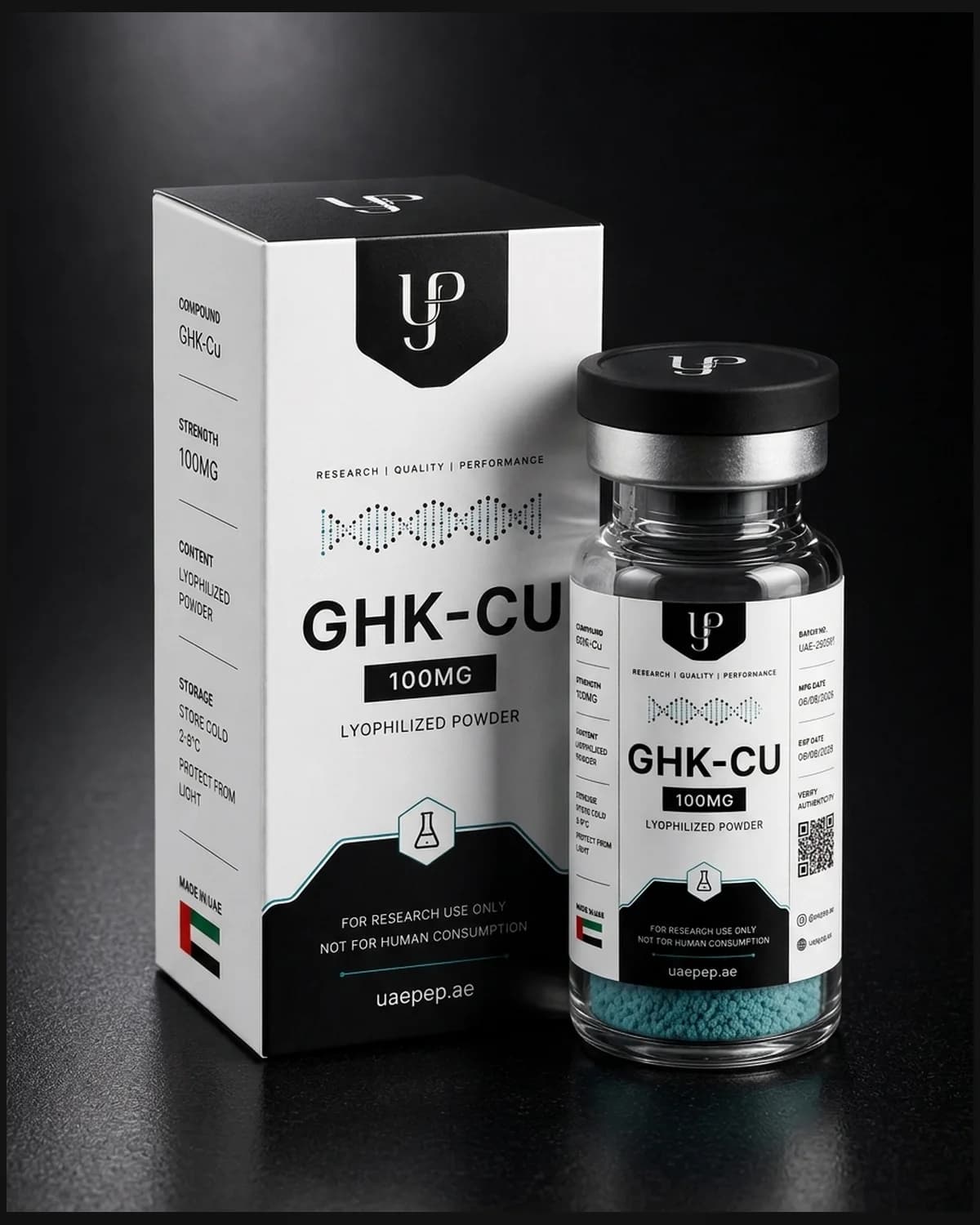


كيف تنظّم UAEPEP شهادات التحليل المرتبطة بالدفعة، وكيف تُختبر نقاوة الببتيدات عادةً بـ HPLC، وما الذي يجب أن تتحقق منه مختبرات الإمارات قبل الطلب.
لماذا يهم التوثيق التحليلي لمختبرات الإمارات
عندما يطلب مختبر في دبي أو الإمارات ببتيدات بحثية، لا يقتصر قرار الشراء على السعر والتركيز. بل يتعلق بما إذا كانت الدفعة المستلمة قابلة للتتبع إلى سجل تحليلي منشور. التوثيق التحليلي هو مسار الأوراق الذي يربط الفيال المُوسم بهوية دفعة، وطريقة فحص، ونتيجة نقاوة أو جودة لتشغيل الإنتاج المحدد.
قبل الالتزام بالميزانية، تريد معظم المختبرات شرحاً واضحاً لكيفية اختبار نقاوة الببتيد وما تظهره شهادة التحليل فعلياً. تنشر UAEPEP شهادات تحليل (COAs) مرتبطة بالدفعة على صفحات المنتج وفي مكتبة شهادات التحليل العامة حتى يتمكن الباحثون من التحقق من الوثائق قبل الدفع.
يشرح هذا الدليل كيف تنظّم UAEPEP التوثيق التحليلي عبر الكتالوج البحثي، وما الحقول التي يجب فحصها، وكيف يدعم التوثيق — دون أن يحل محل — إجراءات جودة مختبرك الخاصة.
ماذا تعني «مرتبطة بالدفعة» على UAEPEP
الوثيقة المرتبطة بالدفعة مرتبطة بتشغيل إنتاج واحد. وليست ورقة تسويقية على مستوى العلامة. على UAEPEP، عندما تتوفر شهادة تحليل لوحدة SKU، يجب أن يطابق معرّف الدفعة على الشهادة الدفعة المشار إليها في صفحة المنتج.
هذا التمييز مهم لأن النقاوة والمظهر قد يختلفان بين الدفعات حتى عندما يبقى اسم الكتالوج كما هو. التعامل مع التوثيق على أنه خاص بالدفعة يحمي عملية الاستلام ويبقي سجلات الشراء قابلة للتدقيق.
- أكّد اسم المنتج والتركيز المُوسم على شهادة التحليل مقابل وحدة SKU التي تنوي طلبها.
- طابق رمز الدفعة / اللوط على الشهادة مع الدفعة الظاهرة لتلك القائمة.
- لاحظ طريقة الفحص (للببتيدات، عادةً HPLC-UV على وثائق كتالوج UAEPEP).
- سجّل قيمة النقاوة أو فحص الجودة المنشورة في ملاحظات الاستلام الداخلية.
- حمّل PDF وأرشفته مع مرجع الشراء.
كيف تُختبر نقاوة الببتيدات عادةً
تقيّم المختبرات والمصنّعون دفعات الببتيد عادةً بطرق كروماتوغرافية. يُستخدم الكروماتوغرافيا السائلة عالية الأداء مع الكشف بالأشعة فوق البنفسجية (HPLC-UV) على نطاق واسع لتقدير النقاوة النسبية لعينة ببتيد في ظل ظروف طريقة محددة.
تسرد شهادات تحليل كتالوج UAEPEP لتنسيقات الببتيد طريقة فحص ونسبة نقاوة للدفعة المنشورة. تستخدم مياه البحث فحوصات جودة مختلفة مناسبة للتنسيقات السائلة — لا تقرأ رقم HPLC للببتيد كما لو كان ينطبق على فيال ماء.
نسب النقاوة بيانات وصفية بحثية للدفعة الموثّقة. وليست ادعاءً طبياً، ولا ترخيصاً للاستخدام البشري، ولا بديلاً عن تأكيد الهوية الخاص بمختبرك عندما تتطلب بروتوكولاتك ذلك.
| التنسيق | ملاحظة الفحص المعتادة على UAEPEP | ما الذي تتحقق منه |
|---|---|---|
| ببتيد مجفّف بالتجميد | نقاوة HPLC-UV % | الاسم، التركيز، الدفعة، المظهر |
| ماء بحث | فحص بصري / توصيلية | الحجم (مل)، الدفعة، المظهر |
| خلطة متعددة المركبات | HPLC-UV (حسب المنشور) | قائمة المكوّنات مقابل الملصق + الدفعة |
أين تجد التوثيق على الواجهة
ابدأ من صفحة المنتج للببتيد أو الماء الذي تحتاجه. يعرض كل بند في الكتالوج التراكيز، وخيارات الأطقم حيث تنطبق، وشهادات التحليل المرتبطة عند نشر وثيقة الدفعة.
يمكنك أيضاً تصفح مكتبة شهادات التحليل لفتح صفحة دفعة وتحميل PDF. فضّل التحميل من الواجهة حتى يطابق الملف عنوان التحقق العام الحي المضمّن في رمز QR بالوثيقة.
إذا كان التقرير ما زال معلّقاً، ستشير صفحة المنتج إلى ذلك. تواصل مع support@uaepep.ae لأسئلة توقيت الطلب، أو info@uaepep.ae لأسئلة توثيق الكتالوج — بدلاً من افتراض ادعاءات غير موثّقة.
إشارات الثقة التي يجب أن تتوقعها المختبرات
في الكتالوجات العلمية المتخصصة، تأتي الثقة من تفاصيل الكيان الشفافة وعادات التوثيق المتسقة. تتداول UAEPEP باسم UAEPEP FOR LABORATORIES CHEMICALS TRADING LLC، ومقرها مجمع دبي للعلوم، وتنص على سياسة استخدام بحثي فقط واضحة على صفحات المنتج والصفحات القانونية.
يُعبَّر عن مراقبة الجودة على الواجهة عبر معرّفات الدفعات، وملاحظات طريقة الفحص، وفحوصات النقاوة المنشورة، وملفات PDF القابلة للتحميل. عندما تحل تقارير مختبر طرف ثالث محل قوالب الكتالوج لدفعة ما، تبقى صفحة الدفعة العامة نفسها وجهة التحقق.
فضّل المورّدين الذين يستشهدون بمعايير ممارسة — سير عمل هوية ونقاوة HPLC، وفحص التعبئة المختومة، وفصل الدفعات — بدلاً من لغة تسويق غامضة مثل «درجة صيدلانية». يستخدم هذا الدليل مصطلحات دقيقة، ويذكر حدوداً واضحة، ويربط إلى الكتالوج الحي.
قائمة تحقق عملية قبل تقديم الطلب
استخدم هذا المرور القصير قبل الطلب عند تقييم أي قائمة ببتيد بحثي في الإمارات.
- افتح صفحة المنتج وأكّد وحدة التركيز (ملغ / ميكروغرام / مل) تطابق بروتوكولك.
- افتح شهادة التحليل المرتبطة (إن توفرت) وتحقق من هوية الدفعة.
- قارن توفير الأطقم إذا احتجت عدة فيالات — تُحسب مستويات الفيالات المتعددة تلقائياً عند الدفع.
- لاحظ تفضيل الدفع: الدفع عند الاستلام أو طلب بطاقة / تحويل بنكي (نراسلك بعد الطلب).
- احفظ PDF شهادة التحليل مع مرجع طلب UAEPEP معاً للاستلام.
Frequently asked questions
Next step
افتح مكتبة شهادات التحليل
تحقق من وثائق الدفعة قبل الطلب.