
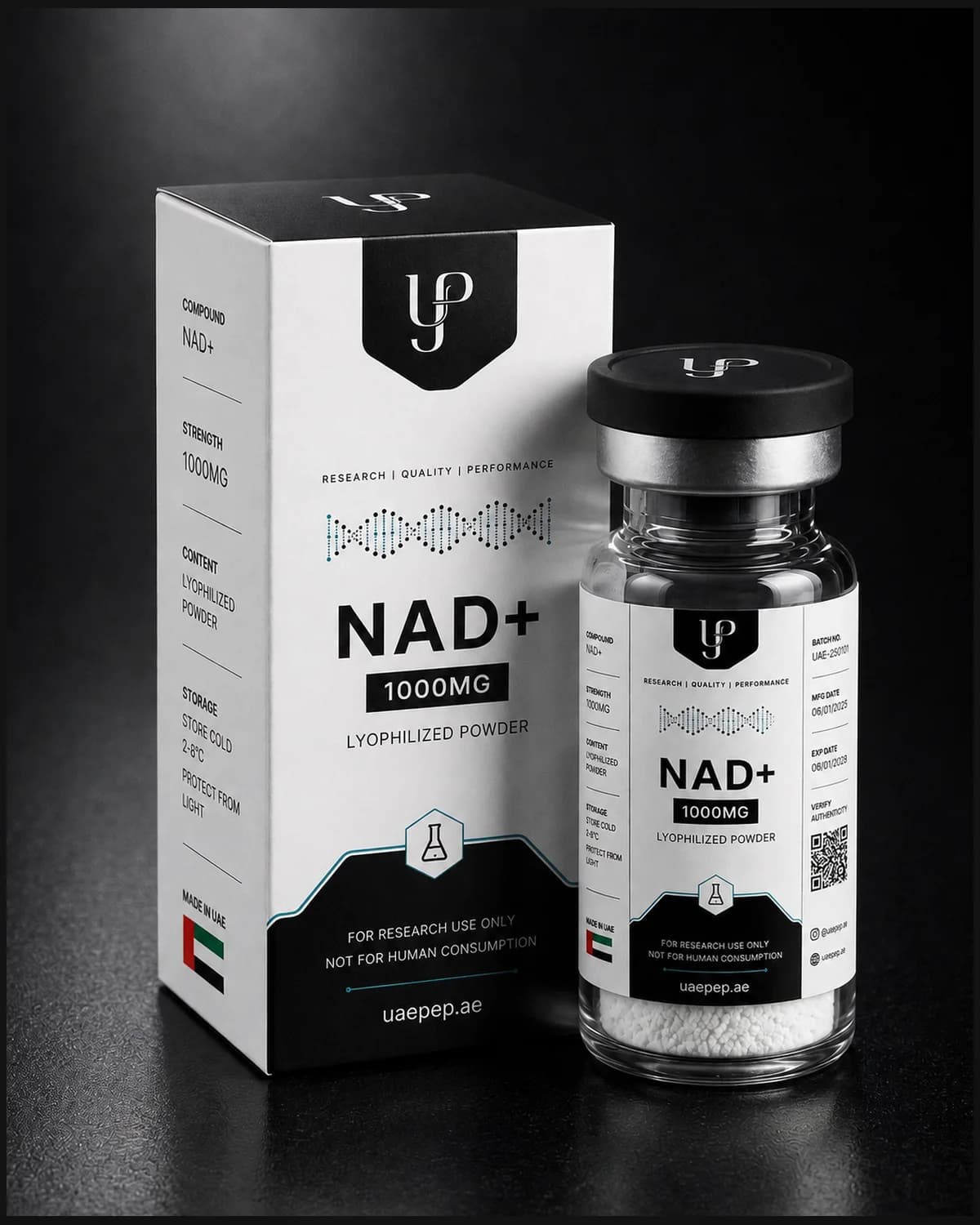


شرح بلغة بسيطة لنقاوة HPLC-UV على شهادات تحليل الببتيدات البحثية — ماذا تعني النسبة، وماذا لا تعني، وكيف تنشر UAEPEP نتائج الدفعات.
لماذا يظهر HPLC في عمليات بحث مشتري الببتيدات
يحتاج الباحثون غالباً قدراً كافياً من معرفة الكروماتوغرافيا لقراءة ملاحظة نقاوة HPLC على شهادة تحليل دون التظاهر بأنهم كيميائيون تحليليون.
HPLC (الكروماتوغرافيا السائلة عالية الأداء) تفصل مكوّنات العينة في ظروف مضبوطة. مع الكشف بالأشعة فوق البنفسجية، تقدّر المختبرات المساحة النسبية للقمة الرئيسية مقابل الشوائب تحت الطريقة المستخدمة — وغالباً ما تُلخَّص كنسبة نقاوة على وثائق البحث.
ماذا تكون نسبة النقاوة — وماذا ليست
تصف نسبة نقاوة HPLC المنشورة النتيجة التحليلية الموثّقة لتلك الدفعة تحت الطريقة المذكورة. وليست ضماناً لنتائج سريرية، ولا تعليمات جرعات، ولا إذناً للاستخدام البشري.
تفاصيل الطريقة مهمة. قد تنتج طرق مختلفة ملامح شوائب مختلفة. عندما تسرد UAEPEP HPLC-UV على شهادة تحليل كتالوج، عاملها كملاحظة طريقة فحص لتلك الدفعة المنشورة.
قراءة نتائج HPLC بجانب حقول الهوية
لا تتخطَّ الهوية أبداً. رقم نقاوة مرتفع على اسم منتج خاطئ ما زال المادة الخاطئة لبروتوكولك. طابق الاسم والتركيز والدفعة أولاً؛ ثم اقرأ حقل النقاوة في سجل الاستلام.
- أكّد اسم وحدة SKU ووحدة التركيز.
- أكّد معرّف الدفعة.
- سجّل طريقة الفحص + نسبة النقاوة %.
- أرشف PDF.
الخلطات والقوائم متعددة المكوّنات
قد تسرد وحدات SKU للخلطات عدة مكوّنات على الواجهة. يجب قراءة التوثيق مقابل التركيبة المُوسَمة. إذا كان أي شيء غير واضح، تواصل مع info@uaepep.ae قبل طلب كميات أطقم كبيرة.
كيف تعرض UAEPEP بيانات HPLC
تعرض صفحات المنتج وصفحات دفعة شهادة التحليل النقاوة عند التوفر. يكرر PDF القابل للتحميل هوية الدفعة وملاحظات الفحص للسجلات دون اتصال. العروض محدودة الوقت لا تلغي الحاجة للتحقق من التوثيق.
تابع مع دليل حقول شهادة التحليل ومقال التوثيق التحليلي لسير عمل الشراء الكامل.
مفاهيم خاطئة شائعة
مفهوم خاطئ متكرر أن أي رقم HPLC فوق عتبة اعتباطية يجعل دفعتي ببتيد مختلفتين قابلتين للاستبدال. تبقى الدفعات متمايزة. رموز الدفعات موجودة تحديداً حتى لا تدمج المختبرات تشغيلات إنتاج مختلفة في وحدة SKU ذهنية واحدة.
مفهوم خاطئ آخر أن لغة النقاوة على الواجهة تحل محل فحص البضائع الواردة. حتى مع شهادة قوية، ما زالت كثير من المختبرات تفحص بصرياً الأختام والملصقات وحالة التعبئة عند الوصول في الإمارات.
أخيراً، نقاوة HPLC ليست تسمية درجة تسويقية مثل «ممتاز» أو «صيدلاني». فضّل ملاحظات الطريقة الدقيقة ومعرّفات الدفعات على الصفات. نموذج توثيق UAEPEP مبني حول ذلك التفضيل.
بناء إجراء قبول داخلي
تكتب المختبرات الجادة معايير القبول قبل الطلب. أمثلة الحقول: مجموعة التوثيق الدنيا (PDF شهادة التحليل + مطابقة الدفعة)، وحدات التركيز المسموحة، حالة التعبئة، وجهات تصعيد الاتصال.
يمكنك مواءمة ذلك الإجراء مع صفحات UAEPEP العامة: عنوان URL للمنتج، وعنوان URL لدفعة شهادة التحليل، وبريد الدعم. كلما كان إجراءك أوضح، أصبح الاستلام أسرع عندما تصل أطقم متعددة الفيالات معاً.
Frequently asked questions
Next step